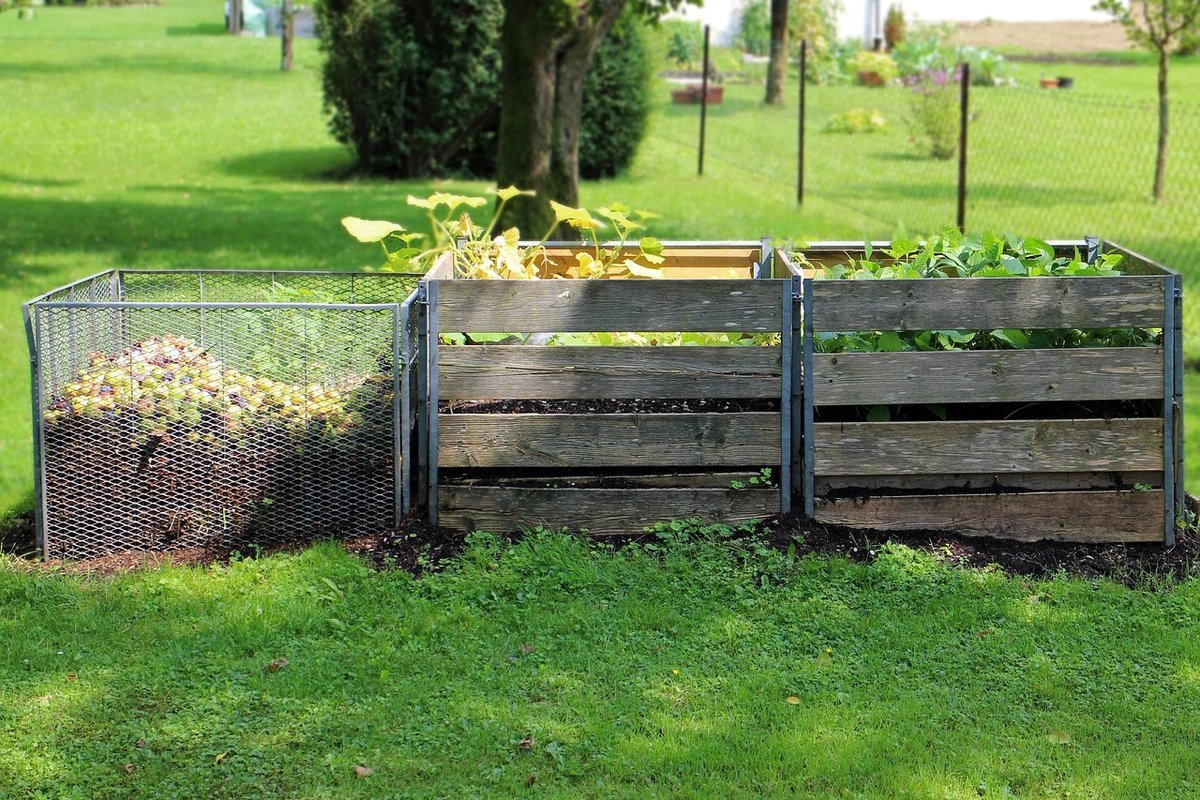
Unlock Your Garden's Potential: The Secret to Big Veggies Starts with DIY Compost
Every gardener dreams of a thriving oasis, bursting with vibrant blooms and an abundance of fresh, delicious produce. But what if we told you the secret to unlocking this potential, to growing those envy-inducing, supersized vegetables, isn't found in a fancy store-bought fertilizer but right in your own backyard, crafted from everyday waste? It’s true – the journey to a truly magnificent garden, where every plant flourishes, begins with understanding and creating your own compost. Simply put, a
good compost happy garden is not just a dream, it's an achievable reality.
For many aspiring gardeners, the world of soil amendments can seem daunting. What type of soil do I have? What nutrients do my plants need? The answers often lead back to one powerful, natural solution: compost. It's the ultimate soil improver, a rich, dark gold that transforms lifeless dirt into a fertile, living ecosystem. And the best part? You can make it yourself, turning kitchen and garden scraps into the very foundation of your garden's success.
The Transformative Power of Homemade Compost
Imagine a substance that not only feeds your plants but also nurtures the very soil they grow in, improving its structure, water retention, and overall vitality. That's the magic of compost. It’s far more than just a fertilizer; it's a dynamic soil builder. While store-bought potting mixes and chemical fertilizers offer quick fixes, homemade compost provides a slow-release buffet of essential nutrients, fostering long-term soil health. This sustainable approach is why dedicated gardeners rave about their compost – it’s the cornerstone of their success.
When you invest in making your own compost, you're not just creating plant food; you're cultivating a vibrant underground world. Compost introduces billions of beneficial microorganisms, fungi, and earthworms into your soil. These tiny workers break down organic matter, convert nutrients into forms readily available to plants, and even help suppress plant diseases. The result? Stronger, healthier plants that are more resilient to pests and environmental stress. This direct correlation means that the effort you put into developing
good compost happy garden will pay dividends in bountiful harvests and a flourishing landscape. It's a win-win: your plants thrive, and you reduce waste, giving a second life to what would otherwise end up in a landfill.
Demystifying the Compost Making Process
Making compost might sound like a complex science experiment, but at its heart, it’s remarkably simple. The fundamental principle revolves around balancing two main types of materials: "greens" and "browns."
*
Green Materials (Nitrogen-Rich): These are typically fresh, moist, and provide nitrogen, which fuels microbial activity. Think kitchen scraps like fruit and vegetable peels, coffee grounds, tea bags, fresh grass clippings, and fresh plant trimmings.
*
Brown Materials (Carbon-Rich): These are usually dry and provide carbon, offering structure and energy for decomposition. Examples include dried leaves, shredded newspaper, cardboard (unwaxed), straw, wood chips, and small twigs.
The ideal ratio is roughly 50% green to 50% brown, or a 1:1 volume ratio. This balance is crucial for efficient decomposition. Too many greens can lead to a smelly, slimy mess, while too many browns will slow down the process considerably.
To begin, collect your kitchen scraps. Storing them in a sealed container in the fridge or freezer can prevent odors and pests, especially if you don't add to your pile daily. A key tip for faster decomposition is to chop these greens into smaller pieces. The more surface area available, the quicker microorganisms can break them down. Tougher items like full stems or corn cobs benefit greatly from this pre-chopping. Remember, avocado pits and similar hard fruit pits, along with peanut shells, can take years to break down, so consider omitting them if speed is your goal.
When you're ready to add materials to your composter (whether it's a simple pile or a sophisticated tumbler), don't just toss the greens on top of the browns and spin. For best results, mix your green and brown materials *outside* the composter first. This ensures an even distribution, preventing clumping that can hinder decomposition, especially in tumblers where materials can stick together. As you mix, lightly moisten the pile with a bit of water – just enough to feel like a damp sponge. Greens will release moisture as they break down, so avoid over-wetting at the start. Once thoroughly mixed and slightly damp, transfer everything into your composter.
For tumblers, spinning once a day helps aerate the pile and distribute moisture, significantly speeding up the process. For piles, regular turning with a pitchfork every few days or weekly achieves the same goal. With consistent effort, you could have usable compost in as little as 2-4 months. However, the timeline varies depending on the materials you add and whether you continuously feed the pile. Many experienced composters maintain multiple piles or bins: one for active decomposition and another that is "curing" and ready for use. For a deeper dive into starting your composting journey, check out our guide:
Composting Made Easy: A Beginner's Guide to Happy Plants and Zero Waste.
Essential Tips for Composting Success and Avoiding Pitfalls
While composting is forgiving, a few simple strategies can elevate your success and help you avoid common issues:
*
Chop it Up: We can't stress this enough. Smaller pieces break down faster. Think of it as giving the microorganisms a head start.
*
Mind the Moisture: The "damp sponge" analogy is your best friend.
*
Too Wet? Your compost will become anaerobic, smelly, and slimy. Add more brown materials (like shredded paper or dry leaves) and turn it more frequently to introduce air.
*
Too Dry? Decomposition will stall. Add some green materials and lightly water the pile, then turn it.
*
What NOT to Compost (for various reasons):
*
Meat, Dairy, Oily Foods: These attract pests (rats, flies), can create foul odors, and break down slowly.
*
Diseased Plants: Pathogens might survive the composting process and spread to your garden when you use the finished product.
*
Weeds with Seeds: Unless your compost pile gets very hot (which most home piles don't consistently achieve), weed seeds can survive and sprout in your garden.
*
Pet Waste: Can contain harmful pathogens.
*
Chemically Treated Materials: Avoid anything treated with pesticides or herbicides, as these chemicals can harm your plants and the beneficial microbes in your compost.
*
Certain Seeds: As the reference context humorously notes, tomato seeds *will* sprout. Other seeds from fruits like squash or melons can also survive and germinate, leading to unexpected volunteer plants in your garden.
*
Patience is Key: Finished compost will be dark brown, crumbly, and have a pleasant, earthy smell – not like rotten food. If it still has identifiable food scraps, it's not quite ready. Allowing a pile to "cure" for a few extra weeks after it has visibly broken down further stabilizes the nutrients.
Mastering these nuances ensures a consistent supply of high-quality compost for your garden. For more advanced techniques and to troubleshoot common composting challenges, explore our guide:
Mastering Compost: Essential Tips for Thriving Gardens and Avoiding Pitfalls.
Reaping the Rewards: How Compost Fuels Your Garden's Abundance
The ultimate payoff for your composting efforts is a garden that truly thrives, delivering those "big veggies" and beautiful blooms you've been dreaming of. Compost benefits your garden in myriad ways:
*
Superior Nutrition: Unlike synthetic fertilizers that offer a quick burst of specific nutrients, compost provides a broad spectrum of macro and micronutrients in a slow-release form. This ensures your plants get a steady, balanced diet, preventing nutrient burn and promoting steady, vigorous growth.
*
Improved Soil Structure: Compost acts like a natural sponge. In sandy soils, it helps retain moisture and nutrients, preventing them from leaching away. In heavy clay soils, it improves drainage and aeration, breaking up compaction and allowing roots to breathe. This optimal soil structure is critical for robust root development, which underpins the health of the entire plant.
*
Enhanced Water Retention: By increasing the organic matter content of your soil, compost significantly boosts its water-holding capacity. This means you'll need to water less frequently, conserving water and saving time – a considerable benefit during dry spells.
*
Beneficial Microbiome: Compost is teeming with life. When added to your garden, it introduces a diverse community of beneficial bacteria, fungi, and other microorganisms. These microscopic allies form symbiotic relationships with plant roots, making nutrients more available, protecting against diseases, and breaking down toxins.
*
Disease and Pest Resistance: Healthy soil leads to healthy plants. Plants growing in compost-enriched soil are generally stronger, more resilient, and better equipped to fend off pests and diseases naturally.
There are several effective ways to incorporate finished compost into your garden. Mix it into garden beds before planting, use it as a nutrient-rich top dressing around established plants, or blend it into your potting mixes for containers. You can even make "compost tea" – a liquid fertilizer brewed from compost – for a quick nutrient boost. Each application reinforces the vital connection: a
good compost happy garden truly begins from the ground up.
Conclusion
The journey from kitchen scraps to a vibrant, productive garden is one of the most rewarding aspects of gardening. DIY composting isn't just an eco-friendly practice; it's a powerful tool that transforms your garden's potential, providing the essential building blocks for truly exceptional harvests. By understanding the simple science, balancing your green and brown materials, and following a few key tips, you can unlock a continuous supply of nature's finest soil amendment. Embrace the power of homemade compost, and watch as your garden flourishes, yielding big, beautiful vegetables that are a testament to your efforts and the incredible cycle of nature. Start your composting adventure today, and experience firsthand how a
good compost happy garden can truly transform your growing space.