Mastering Compost: Essential Tips for Thriving Gardens and Avoiding Pitfalls
Imagine a garden bursting with vibrant flowers, lush greenery, and bountiful harvests – all thanks to the magic happening in your compost pile. Compost, often overlooked for more glamorous gardening topics, is, in fact, the unsung hero, the foundational secret to unlocking your garden's true potential. If you're wondering how to achieve those envy-inducing yields and robust plants, look no further. The journey to a
good compost happy garden begins here, transforming kitchen scraps and garden waste into nutrient-rich "black gold" that your plants will adore and the planet will thank you for.
Why Compost is the Unsung Hero of Your Garden
Compost isn't just about reducing waste; it's about actively enhancing the very medium your plants grow in. It's a complex, living material that acts as a powerhouse for soil health, far beyond what simple fertilizers can offer. When you introduce compost to your garden soil, you're not just feeding your plants; you're nurturing the entire ecosystem beneath the surface.
Firstly, compost significantly enriches the soil with a broad spectrum of essential nutrients, releasing them slowly and steadily, preventing nutrient runoff and waste. This consistent nourishment promotes stronger root development and more vigorous plant growth, ultimately leading to bigger, healthier yields. Our own experience has shown that incredible harvests, like bumper crops of delicious vegetables, directly correlate with the quality of the compost used.
Secondly, compost dramatically improves soil structure. For sandy soils, it enhances water retention, preventing precious moisture and nutrients from leaching away too quickly. For heavy clay soils, it aids in aeration and drainage, breaking up compacted earth and making it easier for roots to spread and for water to penetrate. This improved structure creates an ideal environment where plants can thrive.
Finally, adding compost stimulates beneficial microbial activity. Billions of microorganisms – bacteria, fungi, and other tiny life forms – work tirelessly in compost-amended soil. These unseen workers break down organic matter, convert nutrients into plant-available forms, and even help suppress plant diseases. It's a holistic approach to gardening that ensures a truly
good compost happy garden from the ground up. The environmental benefits are equally compelling, diverting valuable organic matter from landfills and reducing the need for synthetic fertilizers.
The Green & Brown Balancing Act: Crafting Your Perfect Pile
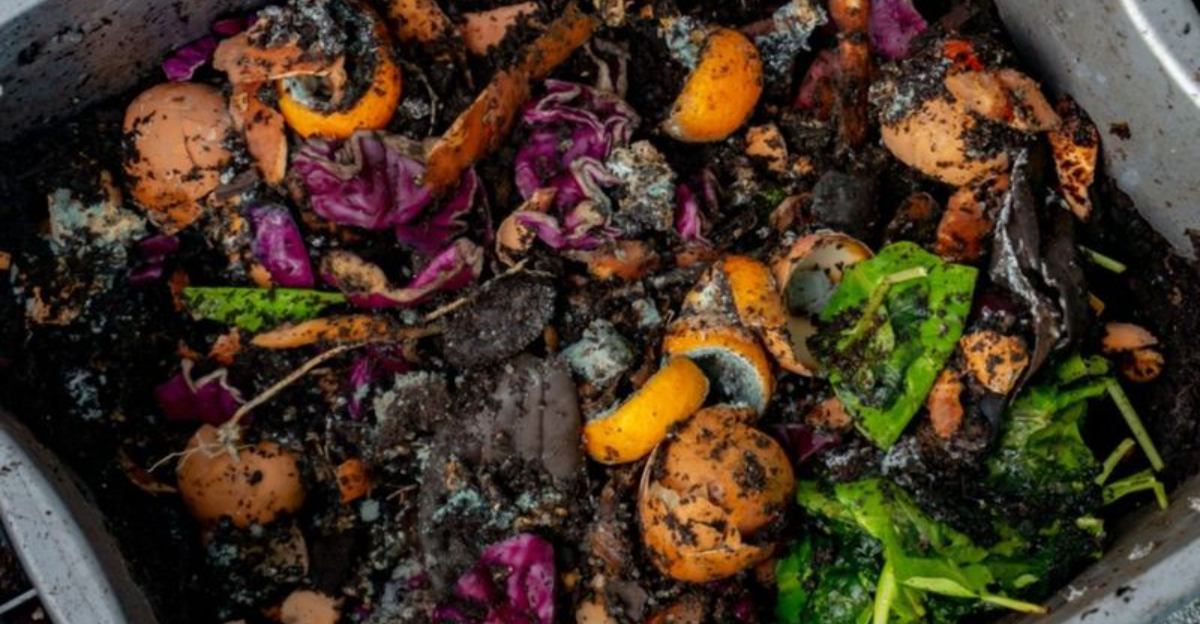
The secret to successful composting lies in understanding the fundamental "recipe": a balanced mix of nitrogen-rich "green" materials and carbon-rich "brown" materials. The ideal ratio is roughly 50% greens to 50% browns by volume. This isn't just an arbitrary rule; it's a scientific principle that fuels the decomposition process. Nitrogen provides the protein for the microorganisms, while carbon provides their energy source. Get this balance right, and your compost pile will heat up efficiently and break down quickly.
Let's break down the "cast of characters" for your compost pile:
*
Green Materials (Nitrogen-Rich): These are generally fresh, moist items that generate heat as they decompose.
* Kitchen scraps: Fruit and vegetable peels, coffee grounds, tea leaves, eggshells.
* Garden waste: Fresh grass clippings, spent annuals, young weeds (before they go to seed).
* Avoid meat, dairy, oily foods, and pet waste, as these can attract pests and create foul odors.
*
Brown Materials (Carbon-Rich): These are typically dry, woody items that provide structure and aeration.
* Dried leaves, straw, wood chips, shredded newspaper, cardboard (unwaxed and uncolored).
* Sawdust (in moderation, as it can be slow to break down).
* Twigs and small branches (chopped into small pieces).
**Pro Tip for Faster Decomposition:** The smaller you chop your materials, especially kitchen scraps and tough garden waste like full stems or corn cobs, the faster they will decompose. This increases the surface area available for microorganisms to work on, significantly speeding up the composting process. Keep a container in your fridge for kitchen scraps and chop them down before adding them to your main compost system.
Building Your Compost System: Tumblers vs. Piles
Choosing the right composting system depends on your space, volume of waste, and desired effort.
* **Compost Tumblers:** These enclosed, rotating bins are excellent for smaller spaces, deterring pests, and making turning easy. However, they have a tendency to clump materials together if not mixed properly beforehand.
*
Actionable Insight: To prevent clumping and ensure even decomposition, always mix your green and brown materials thoroughly *outside* the tumbler before adding them in. A quick pre-mix on a tarp or in a wheelbarrow ensures everything is evenly distributed. Once loaded, a daily spin will keep the decomposition process active.
* **Traditional Compost Piles/Bins:** These are ideal for larger volumes of waste and are more forgiving if your ratio isn't perfect. They typically require manual turning with a pitchfork.
*
Strategy for Continuous Composting: Many experienced gardeners maintain multiple compost piles or bins. This allows one pile to "cook" undisturbed while new materials are added to another, ensuring a continuous supply of finished compost.
Regardless of your system, moisture is key. Begin by wetting your initial mix slightly – think of a damp sponge. Greens will release liquid as they break down, so avoid overwatering at the start. Maintaining the right moisture level throughout is crucial: too wet, and your pile will become anaerobic and smelly; too dry, and decomposition will grind to a halt.
Common Composting Pitfalls and How to Avoid Them
Even with the right intentions, composting can sometimes present challenges. Knowing these common pitfalls can save you time, effort, and frustration, ensuring your journey to a
good compost happy garden is smooth.
* **Problem 1: The Stinky Pile (Too Wet/Anaerobic)**
* **Cause:** Often too many "greens," not enough "browns," or insufficient aeration (turning). Lack of oxygen causes anaerobic bacteria to thrive, producing foul odors.
* **Solution:** Immediately add more dry "brown" materials like shredded leaves or straw to absorb excess moisture and provide carbon. Turn the pile frequently to introduce oxygen. If it's very wet, spread it out to dry a bit before re-piling.
* **Problem 2: The Stagnant Pile (Too Dry/Inactive)**
* **Cause:** Not enough moisture or too many "browns." Without moisture, microorganisms can't do their job.
* **Solution:** Add water gradually while turning the pile until it feels like a damp sponge. Incorporate more "green" materials to kickstart activity.
* **Problem 3: Slow Decomposition of Tough Materials**
* **Cause:** Large, fibrous, or extremely hard materials take an extended time to break down.
* **Solution:** As mentioned, chopping items like corn cobs, tough plant stems, and fruit pits into smaller pieces is vital. Be aware that some items, like avocado pits, can take years to decompose, making them less ideal for a quick composting cycle.
* **Problem 4: Unwanted Sprouts in Your Garden Soil**
* **Cause:** Composting seeds that survive the heat of the pile. This is particularly common with tomatoes. We've certainly learned this the hard way – composting tomato guts only to find dozens of tomato plants sprouting in our garden beds later! While charming at first, 72 unexpected tomato plants can be overwhelming.
* **Solution:** Avoid adding seeds that you don't want to grow. This includes tomato seeds, melon seeds, and viable weed seeds. If your compost pile consistently reaches high temperatures (130-160°F or 55-70°C), it can kill some seeds, but it's not guaranteed without diligent turning and monitoring. When in doubt, leave seeds out.
* **Problem 5: Attracting Pests**
* **Cause:** Adding prohibited items like meat scraps, dairy products, bones, greasy foods, or pet waste. These attract rodents and other undesirable critters and can introduce pathogens.
* **Solution:** Stick to approved green and brown materials. Keep your compost system covered, especially if using an open pile.
When is Your Compost Ready? The Tell-Tale Signs of Success
Patience is a virtue in composting, but how do you know when your "black gold" is truly ready for your garden? The transformation process typically takes anywhere from 2 to 4 months, though it can be longer if you're continuously adding new materials or if you have a lot of harder-to-break-down items. This is why having multiple compost piles can be so beneficial, allowing one to cure while another actively decomposes. For more advanced tips on maximizing your output, explore
Unlock Your Garden's Potential: The Secret to Big Veggies Starts with DIY Compost.
Look for these key indicators that your compost is ripe for use:
* **Appearance:** It should be a uniform dark brown or black color, resembling rich soil.
* **Texture:** It should be crumbly and loose, not slimy or chunky.
* **Smell:** It should have a pleasant, earthy aroma, like fresh soil after a rain. Any foul or ammonia-like odors indicate it's not ready or that the balance is off.
* **No Recognizable Original Materials:** Most of the original kitchen scraps and garden waste should no longer be identifiable. You might see a few stubborn pieces, but the bulk should be decomposed.
Once your compost meets these criteria, it’s ready to enrich your garden. You can incorporate it into your garden beds as a soil amendment, spread it as a top dressing around existing plants, or mix it into your potting soil for containers. Its versatility makes it invaluable for any gardener. For those just starting their composting journey and looking for a beginner-friendly approach to reduce waste, check out
Composting Made Easy: A Beginner's Guide to Happy Plants and Zero Waste.
Composting truly is an exciting process, transforming waste into a valuable resource that directly contributes to the health and productivity of your garden. By understanding the simple science behind green and brown materials, avoiding common pitfalls, and knowing when your compost is ready, you're well on your way to a thriving, sustainable garden. Embrace the magic of decomposition, and prepare to witness the incredible difference that a little "black gold" can make. A
good compost happy garden isn't just a dream – it's an achievable reality within your reach.