Composting Made Easy: Your Beginner's Guide to Happy Plants and Zero Waste
Imagine a garden bursting with vibrant, healthy plants, producing bountiful harvests, all nourished by a rich, dark material you created yourself from everyday kitchen and garden waste. This isn't a gardener's fantasy; it's the reality brought to life by the magic of composting. For many aspiring green thumbs, the journey begins with understanding that a
good compost happy garden go hand-in-hand. While the idea of making your own "black gold" might seem daunting, it's an incredibly rewarding and surprisingly simple process that transforms waste into a powerful nutrient source, benefiting your plants and the planet. Forget the notion that composting is just for seasoned experts; this guide will show you how easy it is to start, grow, and maintain a thriving compost system, unlocking your garden's true potential.
Why Composting is Your Garden's Best Friend (and the Planet's!)
Before diving into the "how-to," let's truly appreciate the "why." Composting isn't merely a trend; it's a cornerstone of sustainable living and successful gardening. When you compost, you're not just getting rid of scraps; you're actively engaging in a transformative process that yields incredible benefits:
- Nutrient Powerhouse: Finished compost is packed with essential nutrients that plants adore. Unlike synthetic fertilizers, compost slowly releases these nutrients, providing a steady, long-term food source. This promotes stronger root systems, healthier foliage, and more prolific blooms and harvests.
- Improved Soil Structure: Adding compost to your garden soil dramatically improves its physical properties. It helps sandy soils retain moisture and nutrients, while loosening heavy clay soils for better drainage and aeration. This creates an optimal environment for root growth and beneficial microorganisms.
- Reduced Waste & Environmental Impact: A significant portion of household waste, particularly kitchen and garden scraps, can be composted. By diverting these materials from landfills, you reduce methane emissions (a potent greenhouse gas) and lessen the burden on waste management systems. It's a tangible step towards a zero-waste lifestyle.
- Pest & Disease Resistance: Healthy soil fosters healthy plants. The diverse microbial life introduced by compost can help plants naturally resist pests and diseases, reducing the need for chemical interventions.
- Water Conservation: Compost acts like a sponge, increasing your soil's water-holding capacity. This means you'll need to water your garden less frequently, saving both water and effort.
Ultimately, making the switch to homemade compost is a game-changer. It ensures you have a readily available, free, and incredibly effective soil amendment that guarantees a
good compost happy garden every season.
Demystifying the Compost Recipe: Greens, Browns, and Balance
The secret to successful composting lies in understanding the core ingredients: "greens" and "browns." These terms refer to materials rich in nitrogen and carbon, respectively, and maintaining a balanced ratio between them is crucial for efficient decomposition. Think of it like cooking: the right proportions make all the difference!
*
Green Materials (Nitrogen-Rich): These are typically moist, fresh, and often give off a slight odor as they break down. They provide the nitrogen necessary for the microorganisms that drive decomposition.
- Kitchen scraps: fruit and vegetable peels, cores, scraps (avoid meat, dairy, oily foods)
- Eggshells (crushed for faster breakdown)
- Coffee grounds and tea leaves/bags
- Fresh grass clippings (in moderation to avoid matting)
- Plant trimmings (non-diseased, fresh)
*
Brown Materials (Carbon-Rich): These are generally dry, woody, and provide the carbon structure for the compost pile. They help prevent odors and ensure good airflow.
- Dried leaves
- Straw or hay
- Shredded newspaper or cardboard (remove glossy sections, tear into small pieces)
- Sawdust (from untreated wood)
- Small twigs or wood chips (shredded for faster decomposition)
The ideal ratio is roughly 50% green materials to 50% brown materials by volume (a 1:1 ratio). Too many greens can lead to a smelly, slimy pile, while too many browns will slow down the decomposition process significantly. Striking this balance is key to creating a potent and pleasant compost pile.
The Art of Composting: Steps for Success
Ready to start building your own "black gold"? Here's a practical guide, focusing on a popular method for beginners: the compost tumbler.
1.
Collection & Preparation:
*
Kitchen Scraps: Keep a dedicated container (a small bin with a lid, or even a sealed bag) in your kitchen for daily scraps. Storing it in the fridge or freezer can prevent odors and fruit flies.
*
Chop It Up: Before adding materials to your composter, especially tough kitchen scraps like banana peels or fibrous stalks, chop them into smaller pieces. This increases their surface area, allowing microorganisms to break them down much faster.
2.
The Mixing Ritual (Especially for Tumblers):
* While compost tumblers are convenient for turning, simply tossing greens on top of browns and spinning can lead to clumping and uneven decomposition.
*
Pre-Mix Outdoors: For best results, collect your greens and browns outside your tumbler. Lay them out, aim for that 1:1 ratio, and thoroughly mix them together before transferring them into the tumbler. This ensures a homogenous mixture from the start.
*
Moisten Slightly: As you're mixing, lightly spray the pile with water until it's damp, like a wrung-out sponge. Remember, green materials will release moisture as they decompose, so don't overdo it initially.
3.
Fill Your Tumbler: Once mixed and moistened, add everything to your compost tumbler.
4.
Daily Spin: Rotate your compost tumbler once a day. This aerates the pile, distributes moisture, and ensures all materials are exposed to the active decomposition process.
5.
Patience is a Virtue: Depending on factors like material size, temperature, and how often you add new materials, your compost could be ready in 2-4 months. Continual additions will prolong the process for the entire batch. Some experienced composters maintain multiple piles or tumblers: one "active" pile for new additions and another "resting" pile to cure. This ensures a steady supply of finished compost.
Expert Tips for a Thriving Compost Pile (and Avoiding Pitfalls)
Even with a perfect recipe, a few insider tips can make all the difference in achieving a rich, effective compost. To avoid common frustrations and keep your compost healthy, consider these pointers:
- The Smaller, The Better: As mentioned, chopping up your materials significantly speeds up decomposition. Think of it: a whole apple will take much longer to break down than finely diced pieces. Tough items like full corn cobs, peanut shells, or woody stems are particularly slow to decompose, so give them a good chop!
- Know What to Avoid (and Why):
- Meat, Dairy, Oily Foods: These can attract pests (rodents, flies), create foul odors, and are difficult for a home compost pile to break down effectively without specialized conditions.
- Diseased Plants: Pathogens can survive the composting process and spread to your garden.
- Weeds with Seeds: Many weed seeds are incredibly resilient and can sprout in your garden once the compost is applied.
- Perennial Weeds: Roots and rhizomes can regrow from the compost.
- Problematic "Long-Haulers": Items like avocado pits, larger fruit pits, and even certain seeds (like those from tomatoes) take an extremely long time to break down, or may even sprout. If you don't want a surprise crop of tomato plants, avoid composting their guts! For more detailed guidance on what to include and exclude for optimal results, you'll find invaluable insights in our article on Mastering Compost: Essential Tips for Thriving Gardens and Avoiding Pitfalls.
- Mastering Moisture: This is a delicate balance.
- Too Wet: If your compost pile becomes soggy, it can turn anaerobic, leading to unpleasant, rotten odors. If this happens, add more brown, dry materials and turn frequently.
- Too Dry: A dry compost pile will simply stop decomposing. If you notice no activity, add some green materials and lightly moisten the pile. The ideal consistency is like a damp sponge.
- Aeration is Key: Regular turning (daily for tumblers, weekly for piles) ensures oxygen reaches all parts of the compost. Oxygen is vital for the aerobic microorganisms doing the hard work.
Harvesting Your Black Gold: When and How to Use Compost
The moment you've been waiting for! How do you know your compost is ready, and how do you introduce this valuable amendment to your garden?
Identifying Finished Compost: Your compost is ready when it meets these criteria:
- Dark Brown/Black Color: It should resemble rich, dark earth.
- Earthy Smell: It will smell like fresh soil, not rotten or offensive.
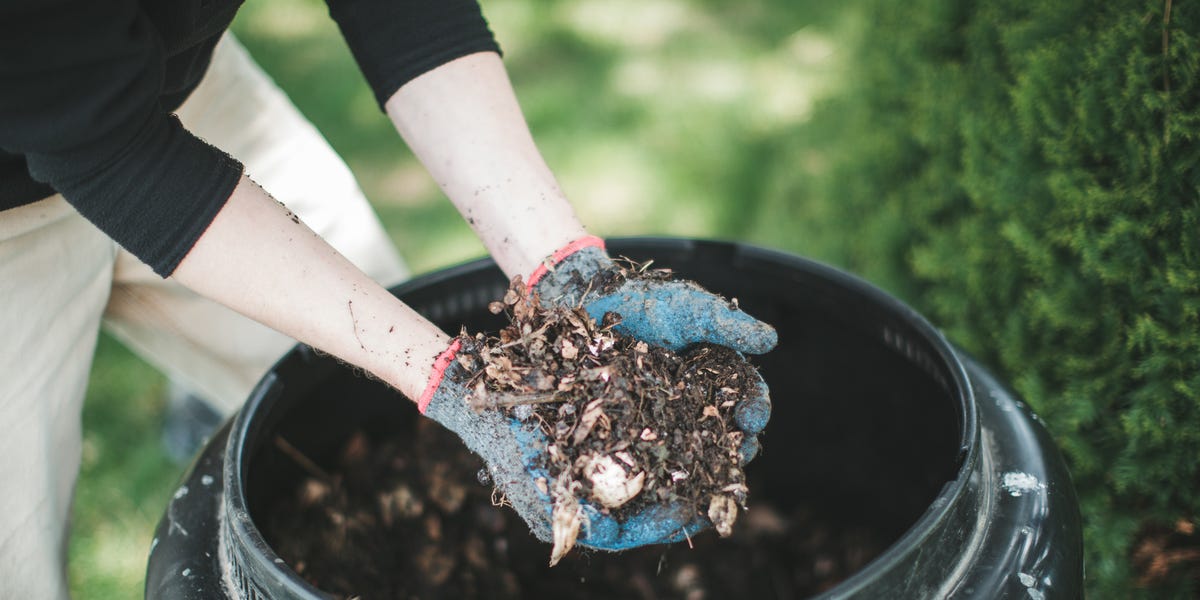
- Uniform Texture: Most of the original materials should be unrecognizable, having broken down into a consistent, crumbly texture. You might see a few larger pieces of woody material, which can simply be put back into a new batch.
- Cool Temperature: The internal temperature of the pile should be cool, indicating that the most active decomposition phase has passed.
Using Your Compost: Once ready, your homemade compost can be used in numerous ways to cultivate a truly
good compost happy garden:
- Soil Amendment: Mix 1-3 inches of compost into the top 6-8 inches of your garden beds before planting. This enriches the soil, improves drainage, and provides a long-lasting nutrient boost.
- Top-Dressing: Spread a 1/2-inch to 1-inch layer of compost around established plants, shrubs, and trees. This acts as a slow-release fertilizer and helps retain moisture.
- Potting Mix Boost: While not a standalone potting mix, you can blend compost into commercial potting soil (up to 25-30% by volume) to enhance its nutrient content and microbial life for container plants.
- Seed Starting: For a nutrient-rich start, incorporate a small amount of fine, sieved compost into your seed-starting mix.
To truly witness the transformation that good compost brings to your crops and learn how to maximize your yields, delve deeper into the impact of this incredible resource by reading
Unlock Your Garden's Potential: The Secret to Big Veggies Starts with DIY Compost.
Conclusion
Embarking on your composting journey is one of the most impactful steps you can take for your garden and the environment. What begins as a pile of kitchen and garden scraps transforms into a rich, life-giving soil amendment that nurtures your plants from the roots up. By following these straightforward steps and understanding the simple science behind greens, browns, and proper aeration, you'll soon be harvesting your own "black gold." The result will be a vibrant, productive garden that thrives on sustainable practices, proving that a little effort in composting goes a long way towards creating a truly
good compost happy garden. So, grab your kitchen scraps, find your perfect spot, and get ready to revolutionize your gardening!